Digital Fabrication
With 3D modeling, precise measurements, dimensions, and material selections can be incorporated into the design, ensuring accuracy and precision. Moreover, it allows for the exploration of various design options, enabling professionals to identify potential flaws or conflicts before construction begins. As a result, the rise of 3D modeling & digital fabrication greatly enhances the efficiency and effectiveness of the architectural documentation process, streamlining communication, reducing errors, and ultimately resulting in more successful and visually appealing construction projects.
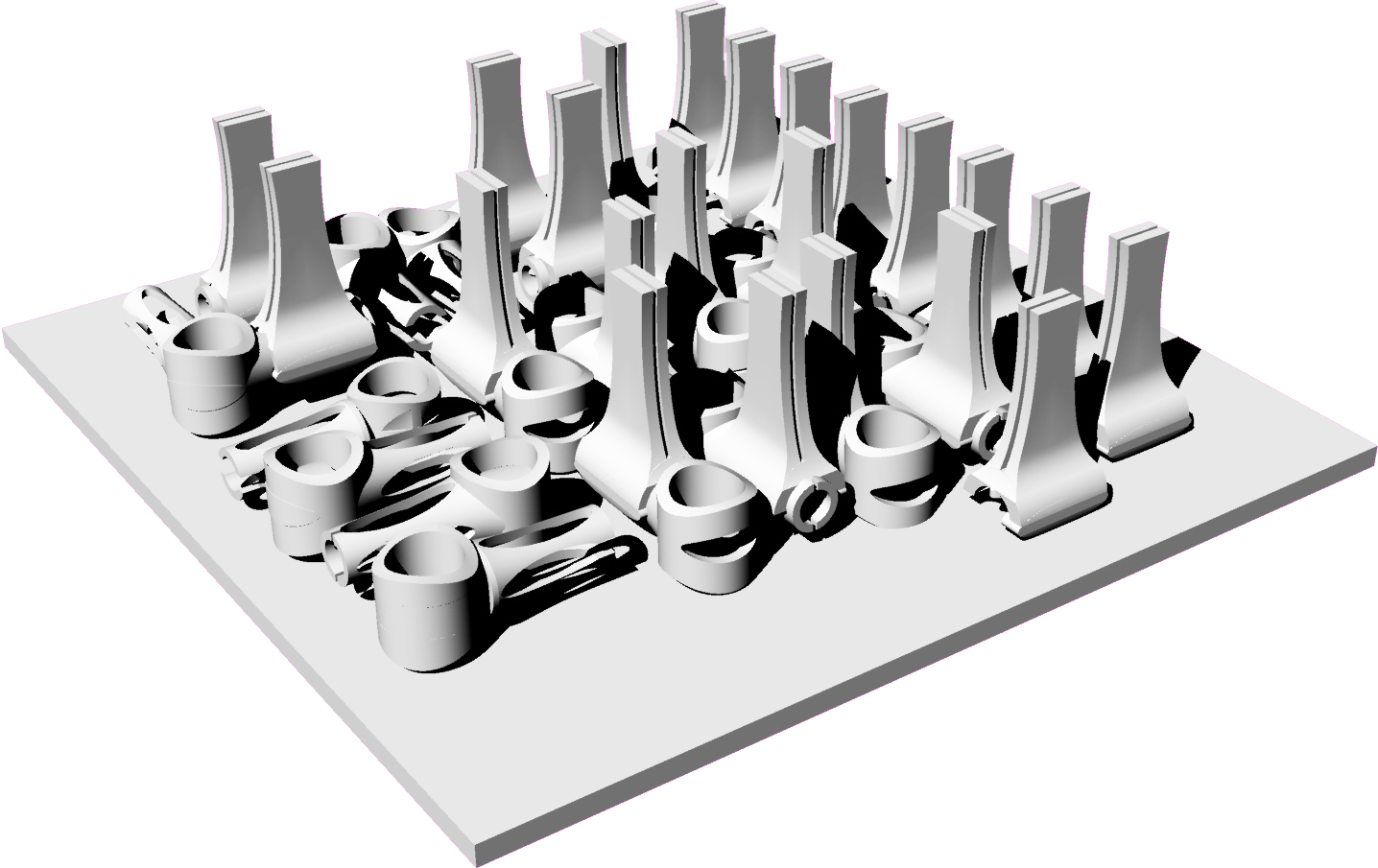
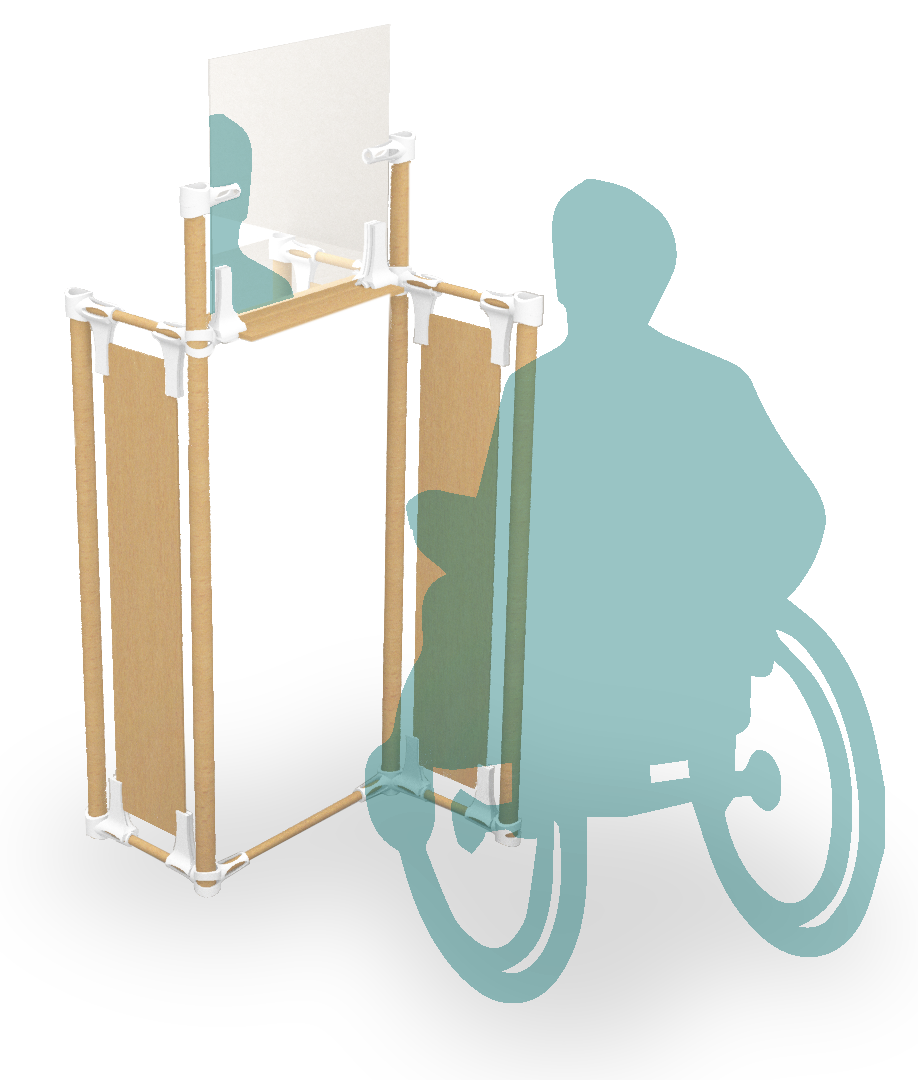
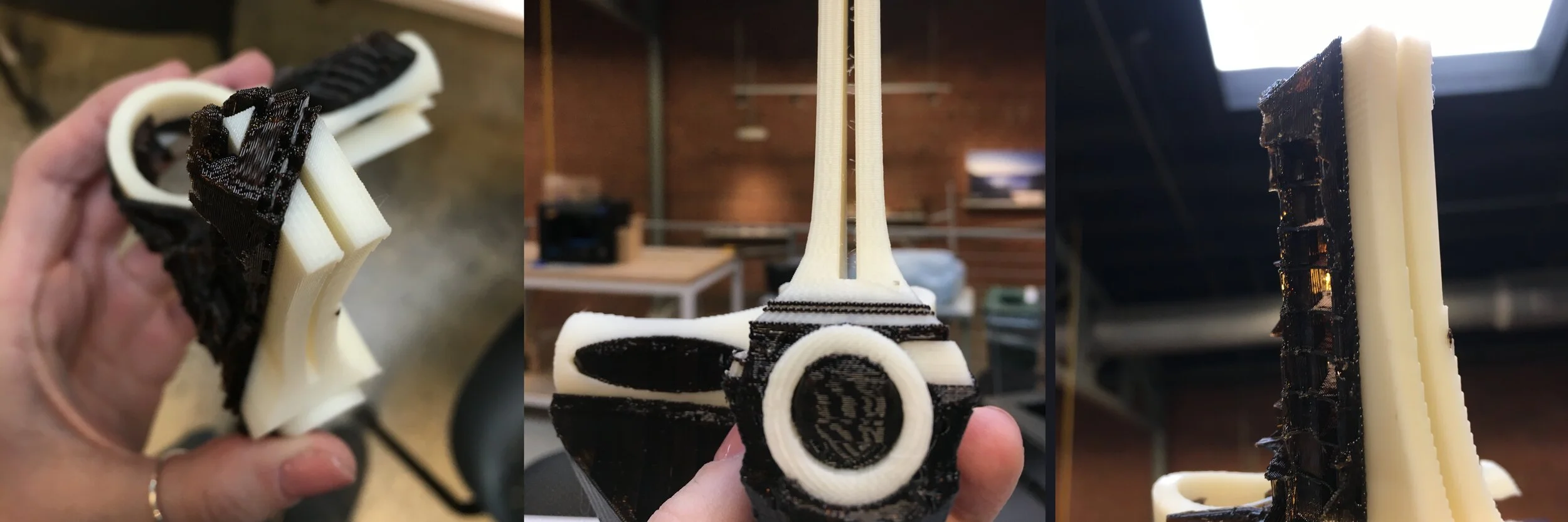
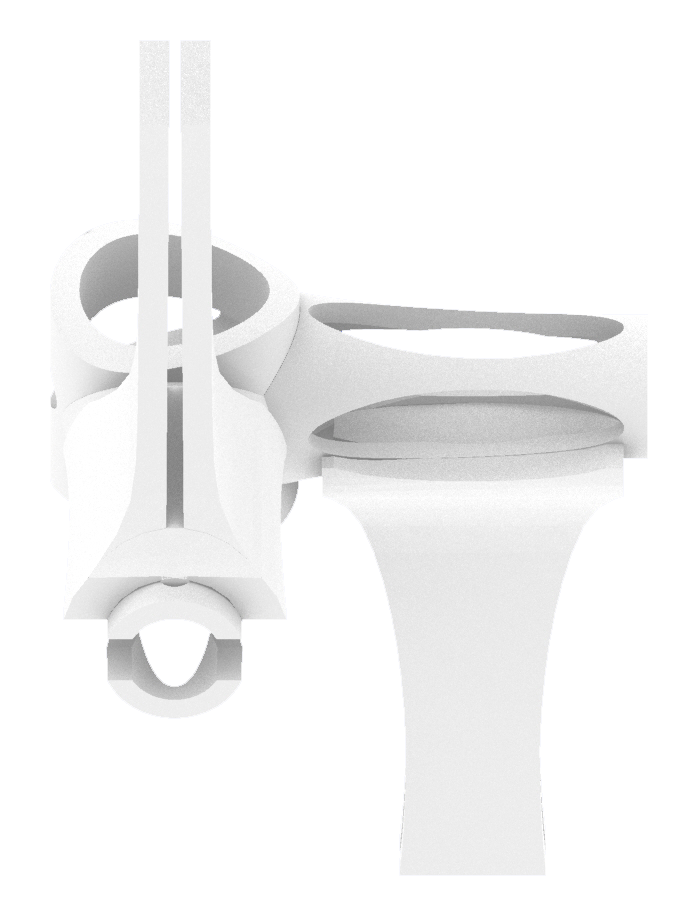
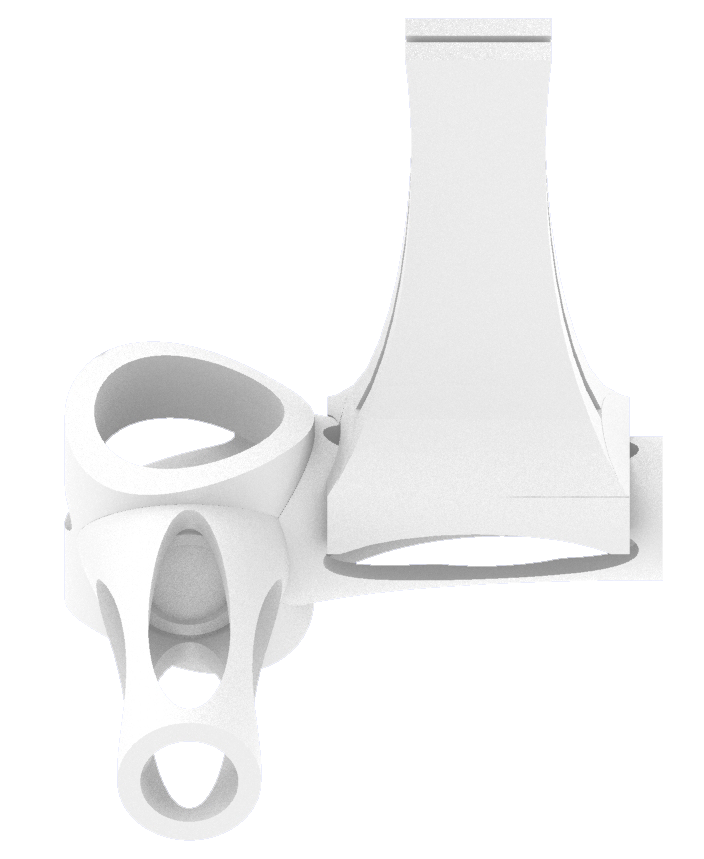
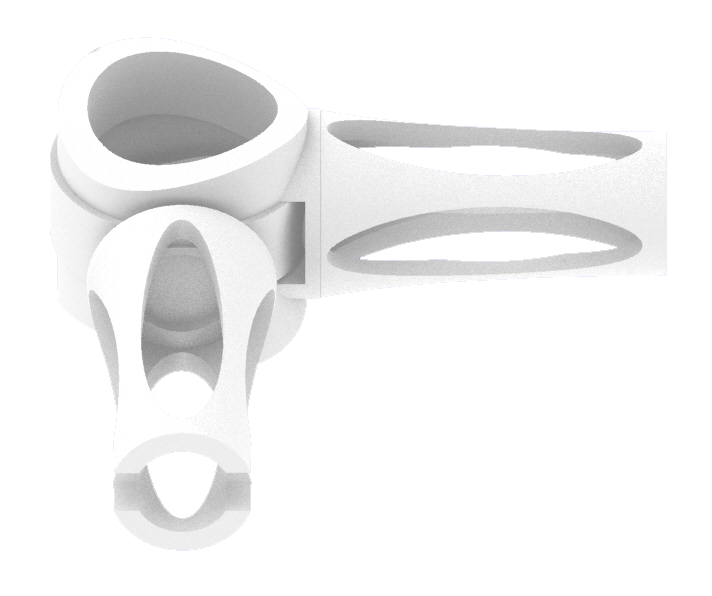
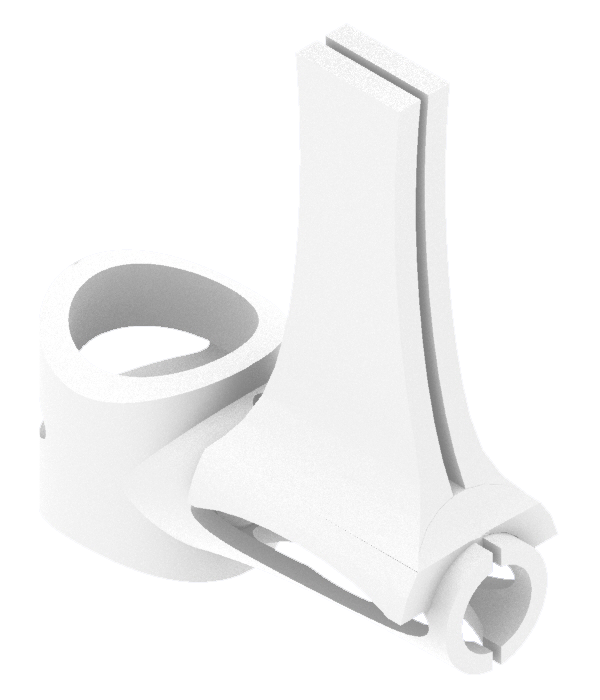
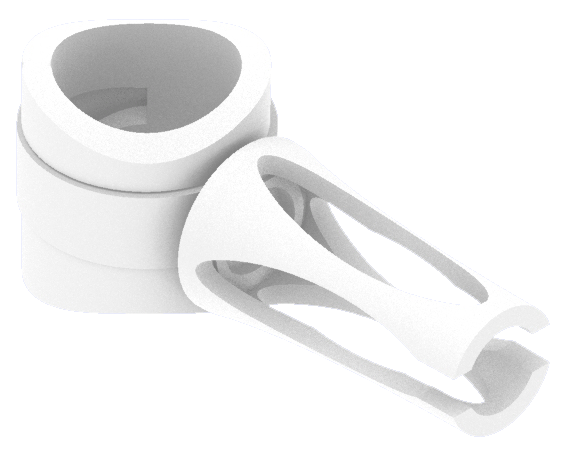
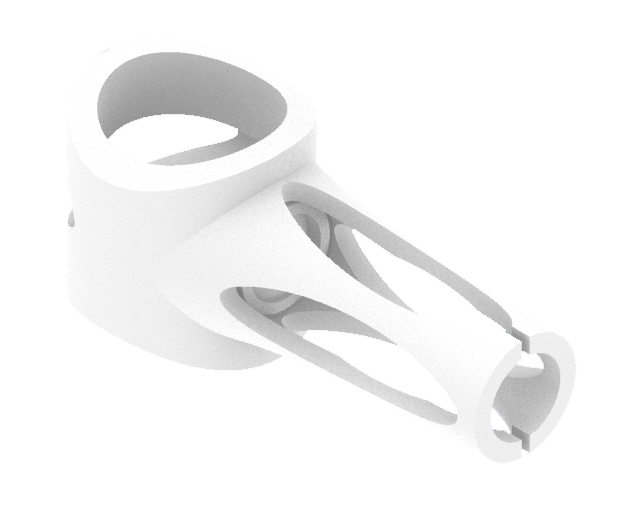
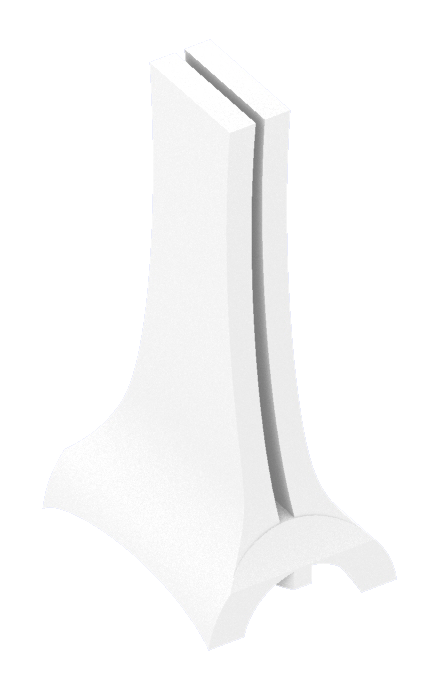
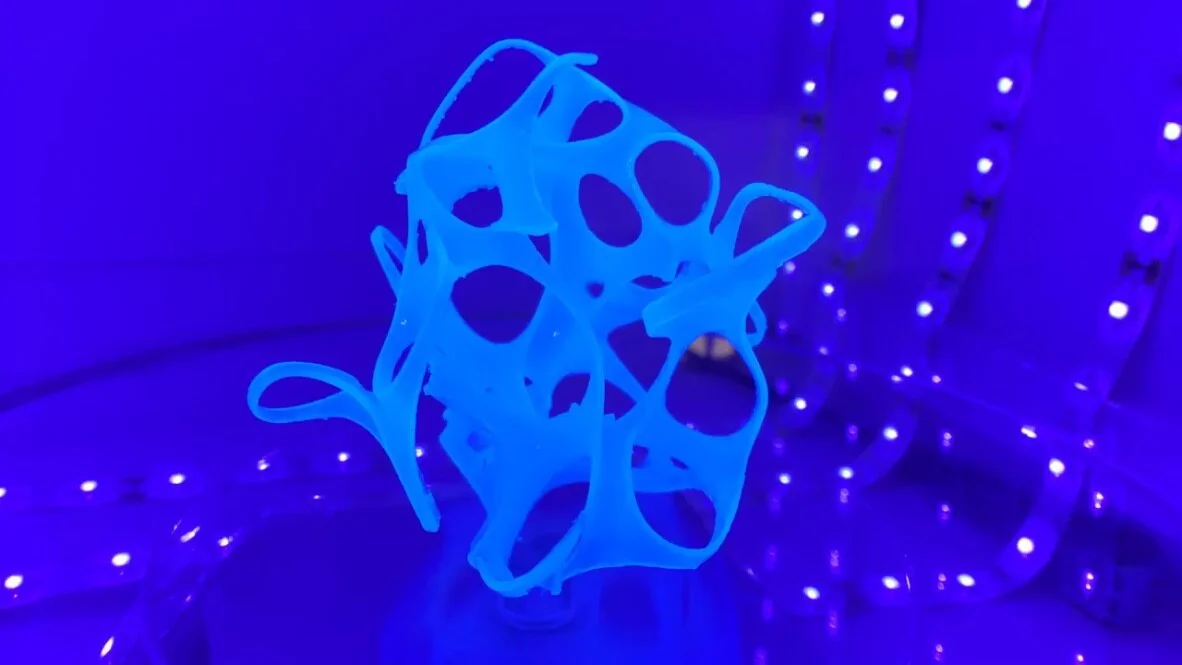
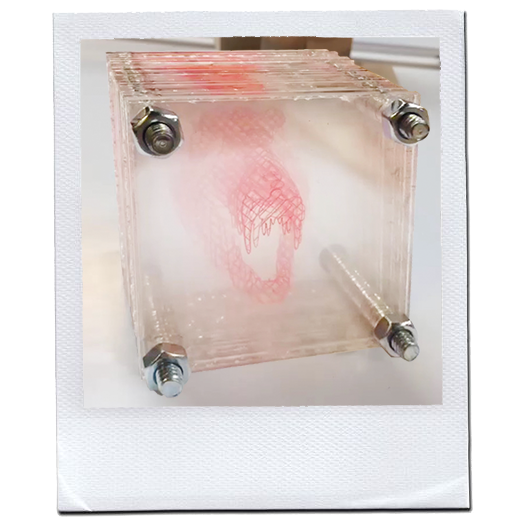
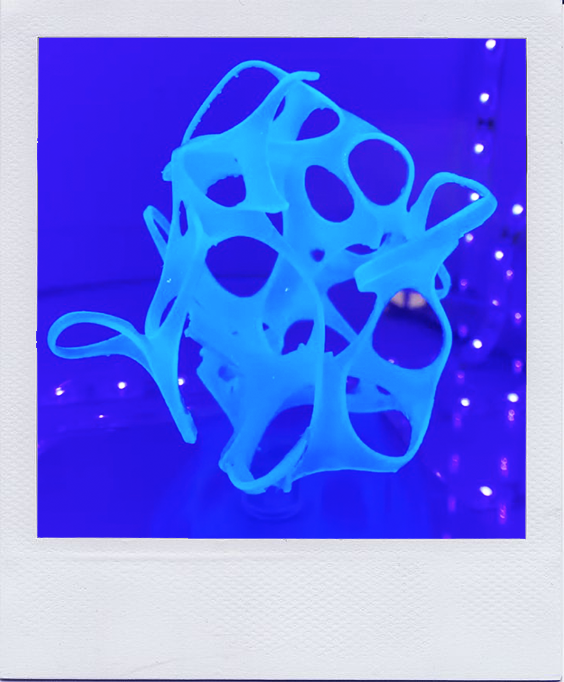
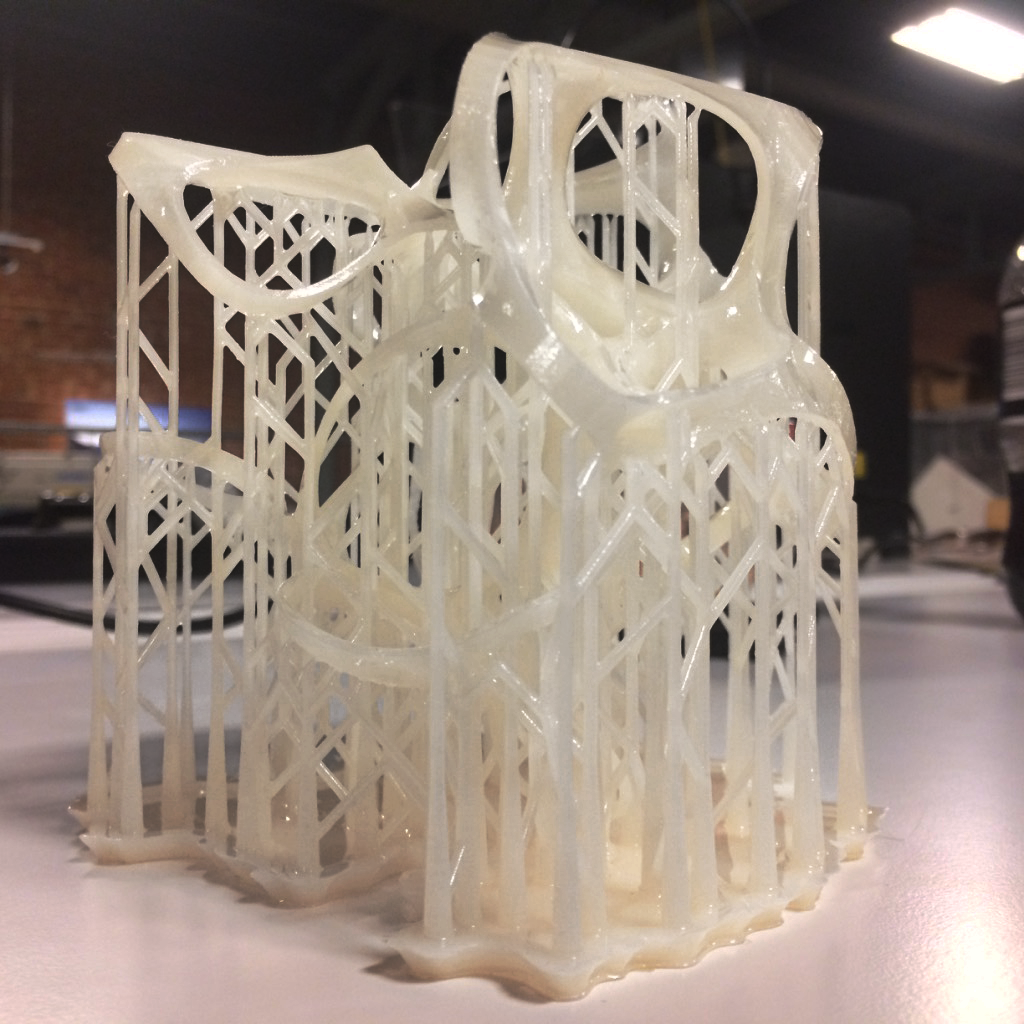
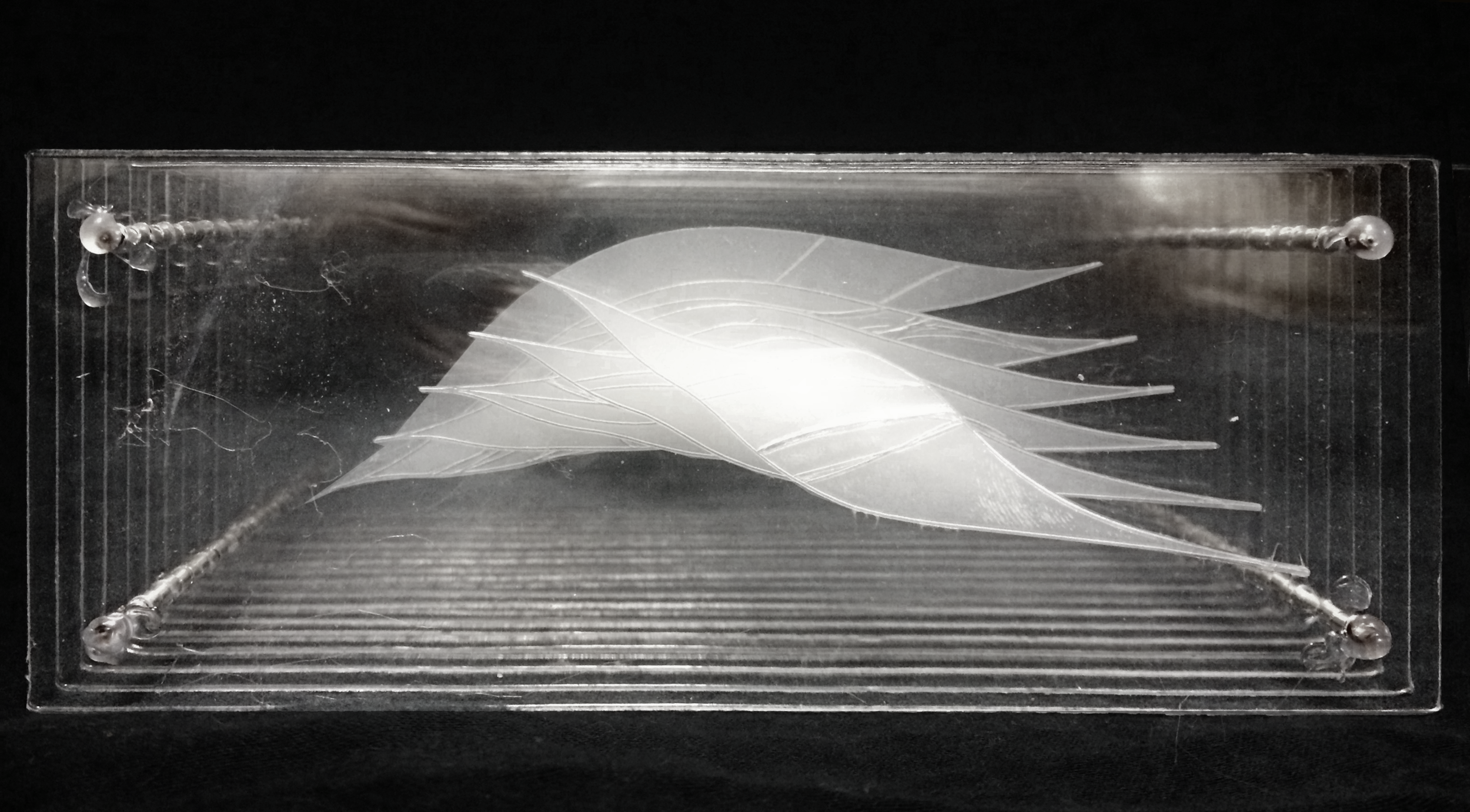
Below are examples of both additive & subtractive digital fabrication. Each are an exploration of the capabilities & limits of the machinery & some have been part of coursework. There have been a variety of machines used, including 3D printers (resin, PLA, ABS), laser cutters, CNC routers, & robotic arms.
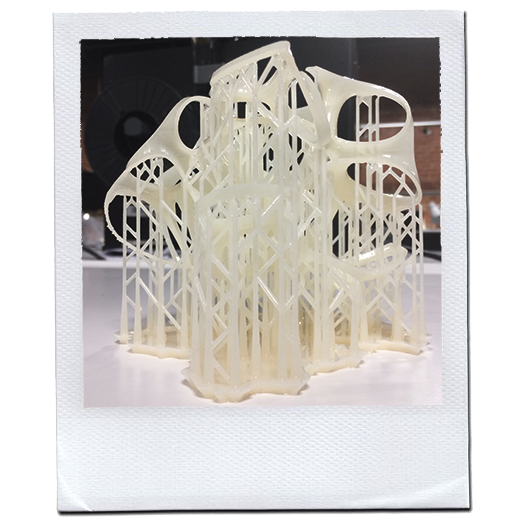
A Creative Loop
This “light microwave“ was designed digitally in Rhino & constructed with digital fabrication (CNC Mill) & wood working techniques for the purpose of helping cure our UV resin 3D prints. Magnets secure the door & the turntable inside is powered by light.
Robots
A quick exploration with Rhino, Grasshopper for Rhino, & a robotic arm equipped with a hot wire cutter.
Laser Cutter
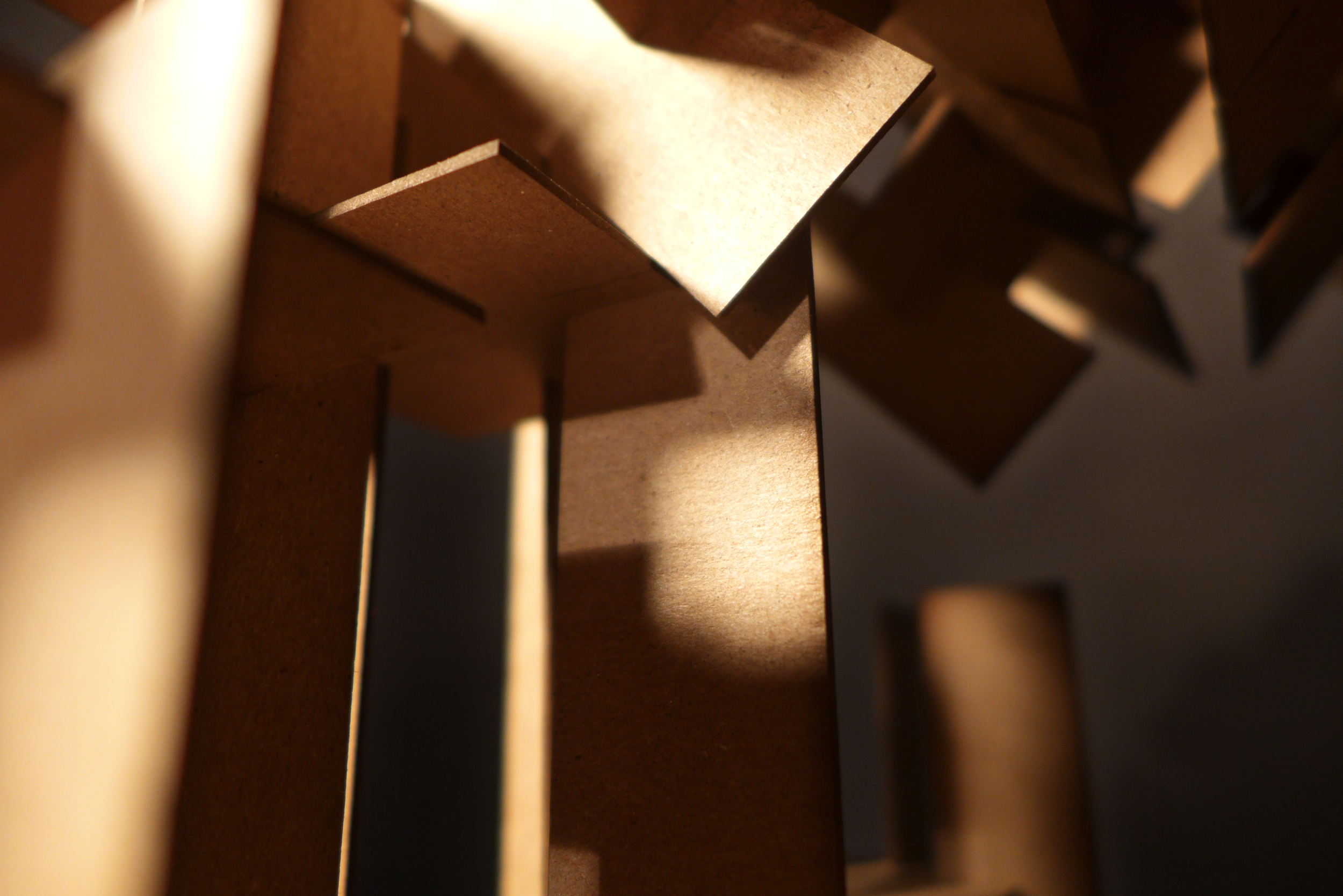
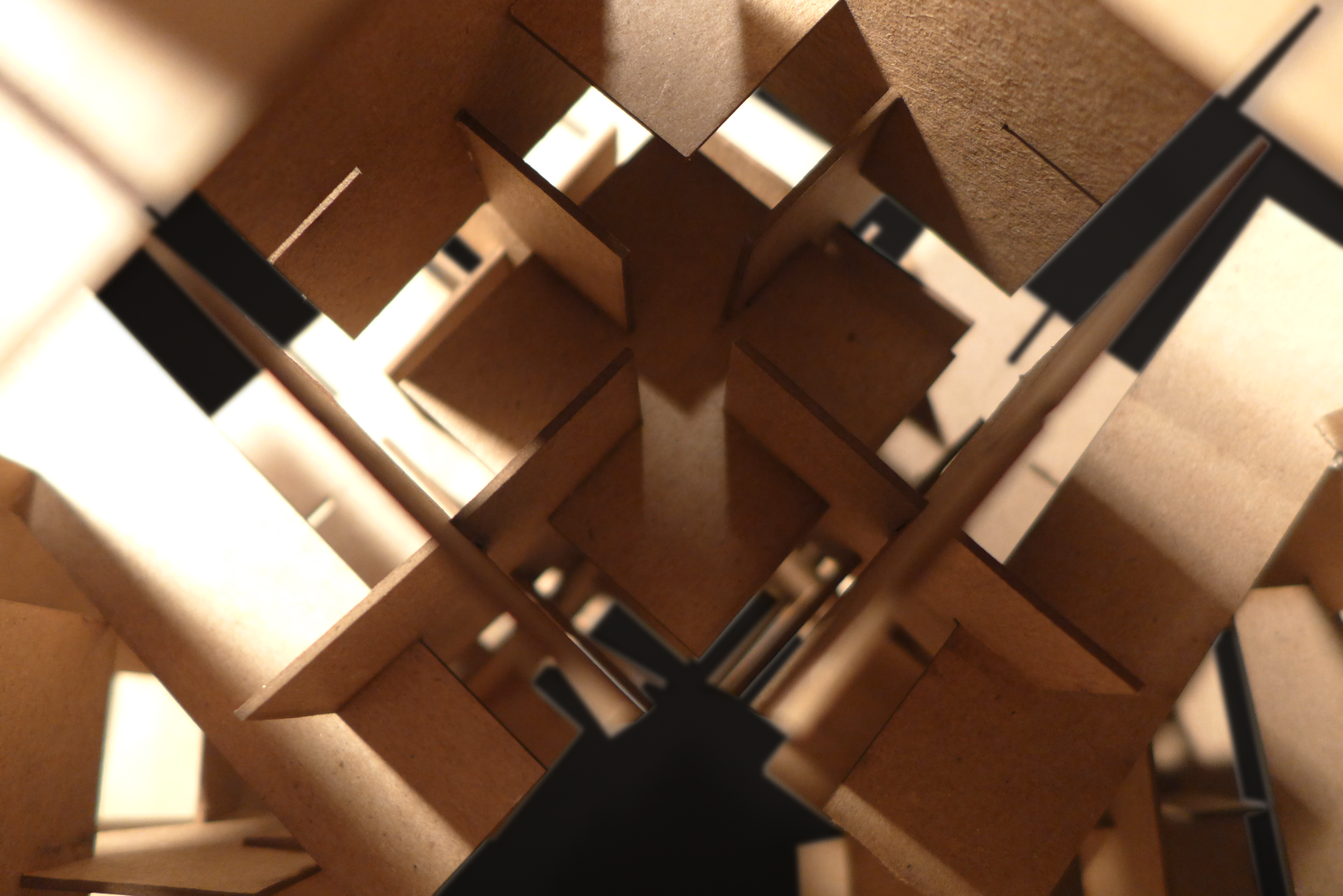
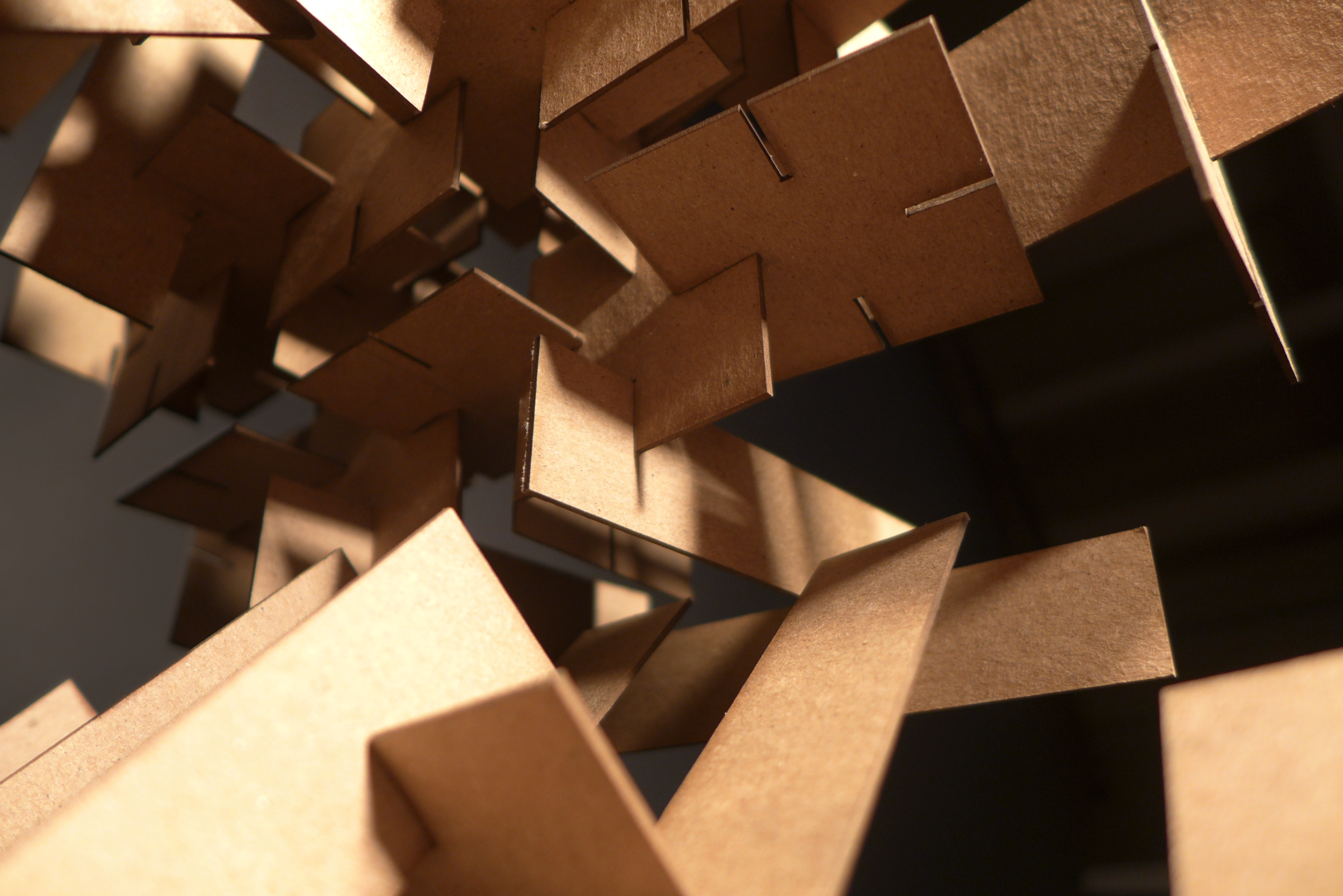
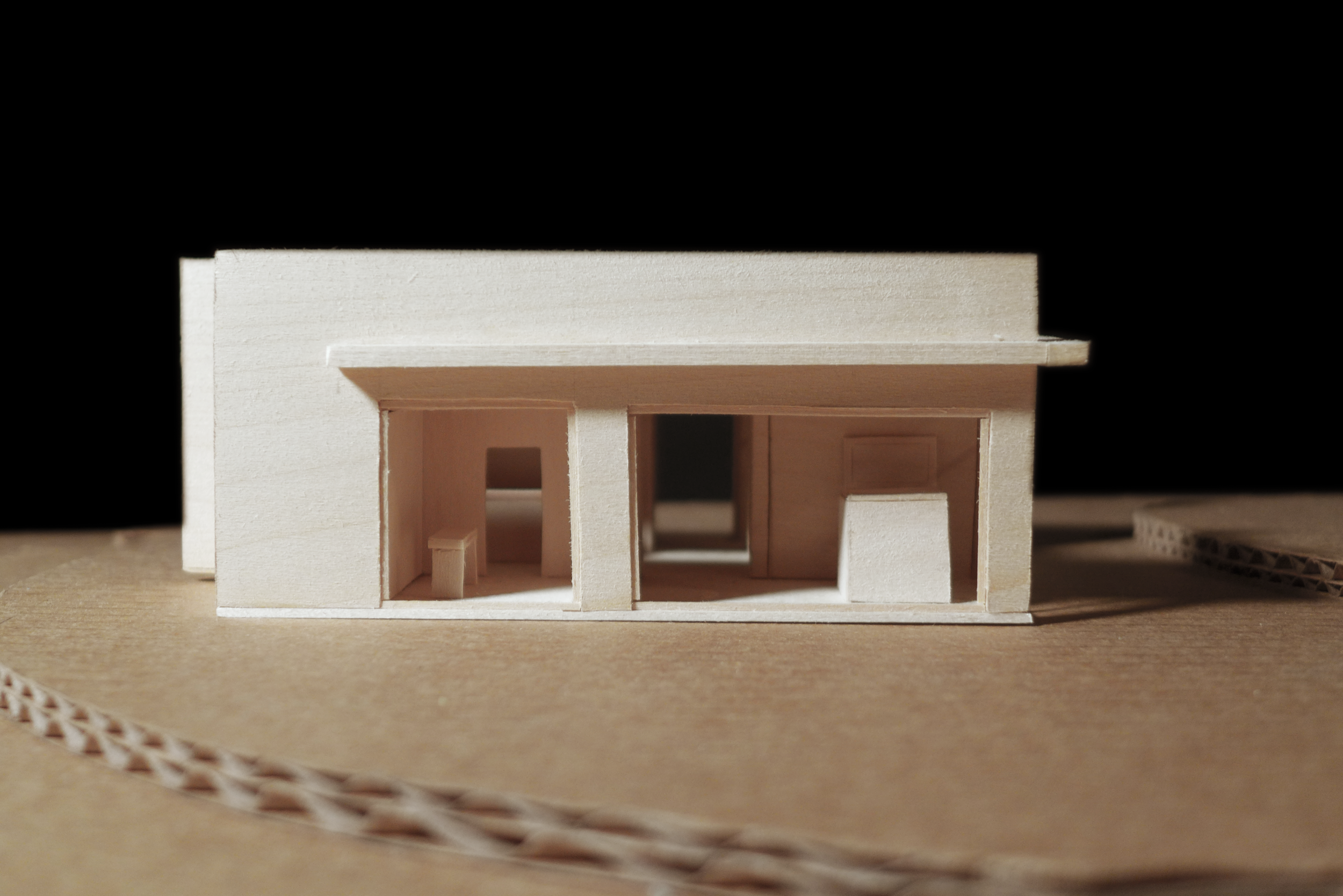
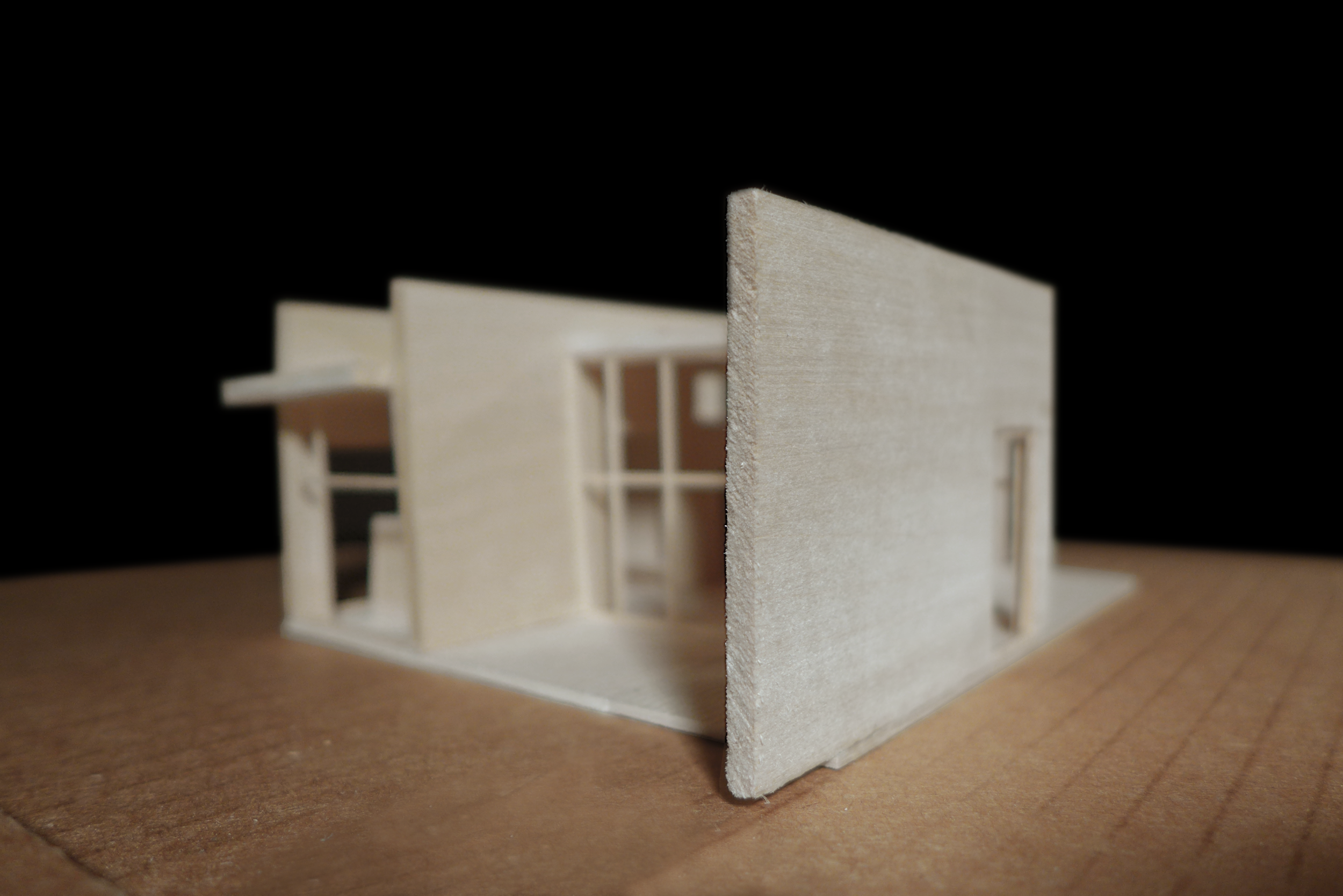
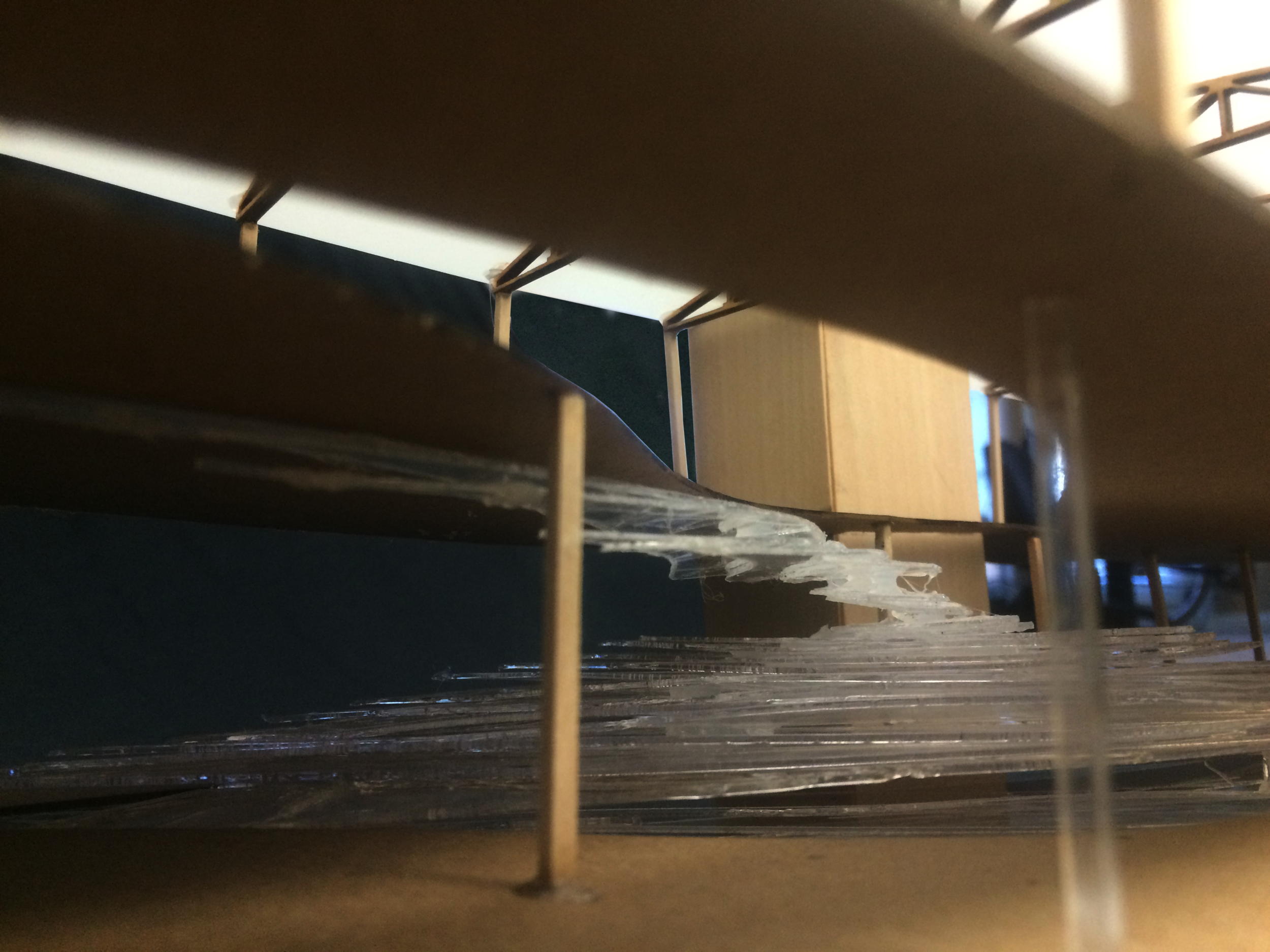
One of my personal favorites to work with was the laser cutter. I enjoyed experimenting with a variety of materials & thicknesses, from wood & chipboard to acrylic sheets.
Assembly
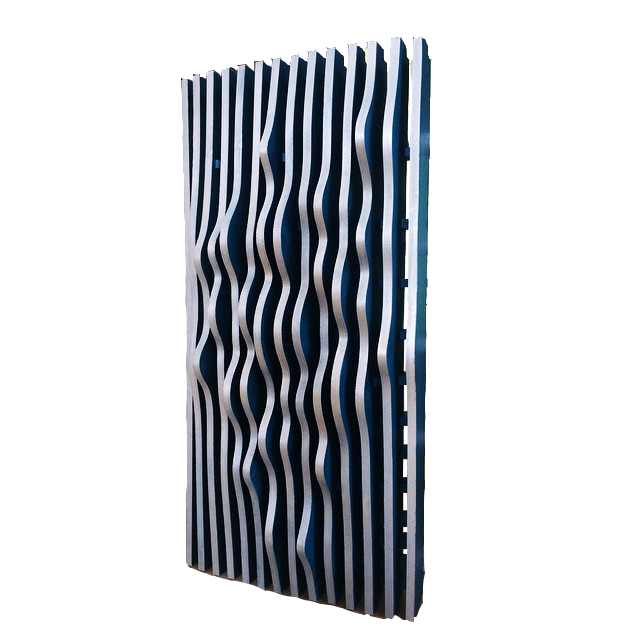
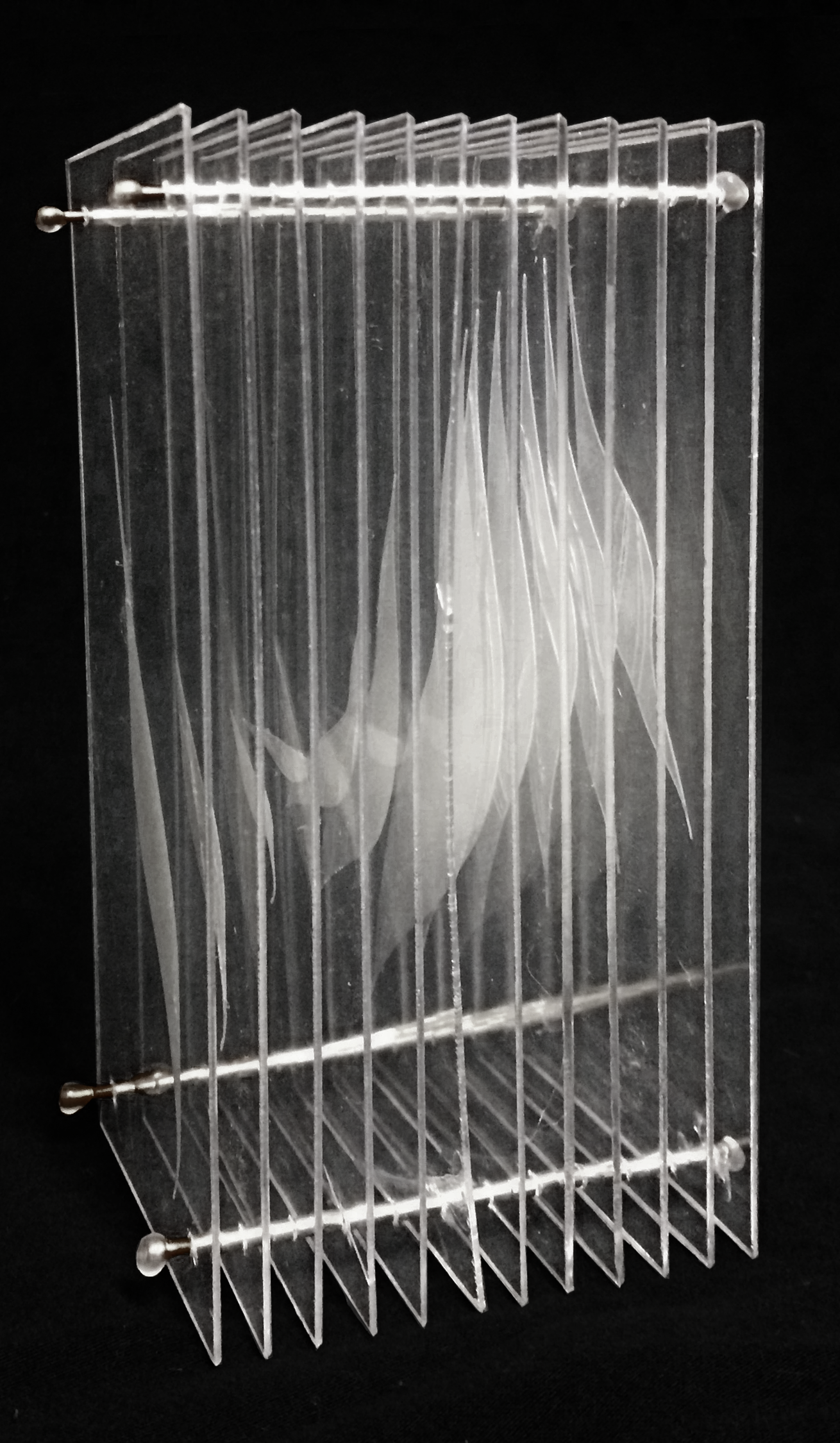
As part of a group project, we designed, modeled, and constructed this wall panel. Click on the image to see the process.